


The sterilization methods introduced in these general principles may be applied to sterilize items such as pharmaceutical preparations, raw materials, excipients, medical devices, pharmaceutical packaging materials, and equipment surfaces, thereby reducing the probability of residual viable microorganisms to the expected level.
Sterilization refers to the process of killing or removing viable microorganisms from items using appropriate physical or chemical means. A sterile item is one that contains no viable microorganisms. However, absolute sterility cannot be guaranteed or verified by testing for any batch of sterile items. The sterility status of a batch can only be expressed as the probability of viable microorganisms remaining, known as the Probability of a Nonsterile Unit (PNSU) or Sterility Assurance Level (SAL). The PNSU achieved by sterilized items can be determined through validation.
Sterility assurance for sterile items cannot rely on final product sterility testing. Instead, it depends on employing validated sterilization processes, strict GMP management, and a robust sterility assurance system throughout production.
Sterile drug production involves both terminal sterilization processes and aseptic manufacturing processes. The PNSU for items processed via terminal sterilization must not exceed 10⁻⁶. Sterilization process control encompasses stages including process development, process validation, and routine monitoring.
01 Development of Sterilization Processes
The development of sterilization processes should comprehensively consider the nature of the items to be sterilized, the effectiveness of the sterilization method, the integrity and stability of the items post-sterilization, while also taking into account economic factors. Whenever feasible, terminal sterilization processes should be selected for sterilization. If terminal sterilization is unsuitable for the items, aseptic manufacturing processes should be employed to meet sterility assurance requirements.
Considering both sterilization efficacy and the impact on items, sterilization processes can be categorized into overkill methods, biological load/biological indicator methods (also known as residual probability methods), and biological load methods. Overkill methods are typically chosen for heat-resistant items.
Sterility assurance for items relates to both the sterilization process and the pre-sterilization biological load of the items. During sterilization process development, a comprehensive assessment of the types, quantities, and resistance of microorganisms contaminating the items is required.
02 Validation of Sterilization Processes
Validation of the sterilization process is a prerequisite for ensuring sterility. Only after validation can the sterilization process be formally implemented. Validation includes:
① Developing a validation protocol and establishing evaluation criteria;
② Confirming equipment design and selection;
③ Verifying that sterilization equipment documentation is complete, installation is correct, and operation is normal;
④ Verifying that sterilization equipment, critical controls, and record systems operate within specified parameters;
⑤ Conducting repeated trials using actual items or simulants under the planned sterilization protocol to confirm compliance of key process parameters with predetermined standards and to establish that the sterility assurance level of sterilized items meets requirements;
⑥ Compiling and finalizing all documentation and records, and preparing the validation report.
03 Daily Monitoring of Sterilization Processes
During routine production, the operation of sterilization processes must be monitored to confirm that critical parameters (such as temperature, pressure, time, humidity, sterilant concentration, and absorbed radiation dose) remain within validated ranges. Concurrently, the effectiveness of sterilization processes and the safety and stability of sterilized items should be continuously evaluated. Corresponding change and deviation control procedures must be established to ensure sterilization processes remain under control at all times.
Sterilization processes must undergo periodic revalidation. Re-validation is required whenever changes occur to sterilization equipment or procedures, including alterations to the loading method or quantity of items being sterilized.
During validation and routine monitoring phases, microbial species, counts, and resistance should be monitored based on risk assessment outcomes. Measures to reduce biological load should be implemented throughout production to ensure it remains within specified limits.
After sterilization, prevent re-contamination of sterilized items. Containers and their sealing systems must guarantee sterility compliance throughout the shelf life under all conditions.
04 Sterilization Methods
Common sterilization methods include moist heat sterilization, dry heat sterilization, radiation sterilization, gas sterilization, filtration sterilization, vapor-phase sterilization, and liquid-phase sterilization. Depending on the characteristics of the items to be sterilized, one or a combination of methods may be employed.
Steam Sterilization
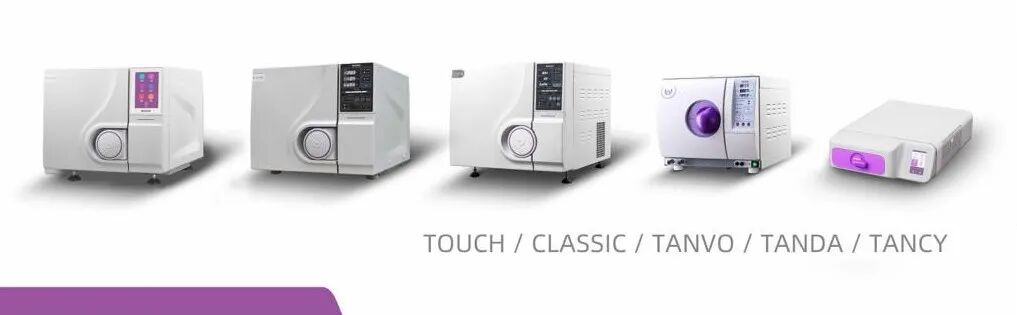
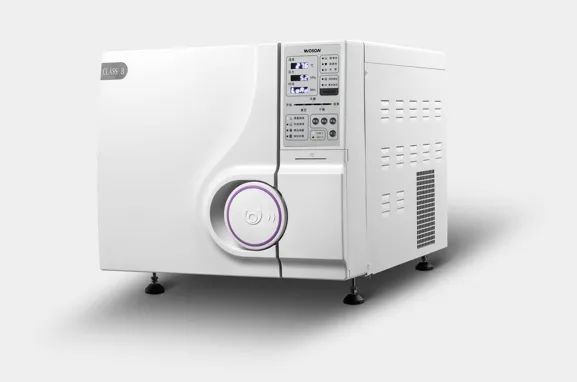
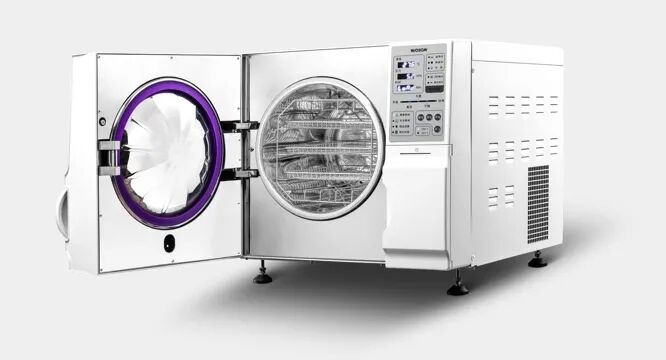
This method involves placing items in sterilization equipment and utilizing saturated steam, steam-air mixtures, steam-air-water mixtures, or superheated water to denature proteins and nucleic acids within microbial cells, thereby killing microorganisms. It possesses strong sterilizing power and is the most effective and widely applied thermal sterilization method. Medications, containers, culture media, sterile garments, rubber stoppers, and other items stable to high temperatures and humidity can be sterilized using this method. Circulating steam alone is generally insufficient to kill bacterial spores and is typically employed as an auxiliary treatment for heat-sensitive sterile products.
Development of moist heat sterilization processes must consider factors such as the thermal stability, heat penetration characteristics, and biological load of the items being sterilized. Wet heat sterilization typically employs temperature-time parameters or incorporates F0 values (where F0 represents the standard sterilization time, equivalent to the sterilization time achieved at 121°C). Regardless of the control parameters used, it must be demonstrated that the sterilization process and monitoring measures ensure a post-sterilization PNSU ≤ 10⁻⁶ during routine operation. Porous or rigid items may be sterilized via direct contact with saturated steam. During sterilization, air and condensate within chambers and items must be thoroughly removed to prevent residual air from obstructing steam access to all exposed surfaces, thereby disrupting the saturated steam's temperature-pressure relationship. When sterilizing sealed containers holding liquids, the sterilant medium first transfers heat to the container surface, then sterilizes the internal liquid via conduction and convection. If necessary, air overpressure may be used to equalize the pressure differential between the container interior and the sterilizer chamber, preventing compromise of the container's seal integrity.
For moist heat sterilization, items must be loaded appropriately. Confirmation of loading methods should consider the maximum, minimum, and typical loading quantities and arrangements during production to ensure sterilization efficacy and reproducibility. Loading heat distribution tests should use the actual items to be sterilized whenever possible. If surrogates are used, appropriate risk assessments should be conducted considering the thermodynamic properties of the items. Heat penetration tests should place a sufficient number of temperature probes at cold spots within the items to be sterilized. If data or evidence supports that placing probes externally can adequately reflect thermal penetration, external probe placement may be considered.
Microbial challenge tests further confirm sterilization efficacy. Placement of biological indicators should be determined based on the characteristics of the items, loading thermal distribution, and thermal penetration test results. Appropriate biological indicators should be selected according to the sterilization process. Geobacillus stearothermophilus is commonly used as a biological indicator for overkill methods. For sterilizing thermally unstable items, Clostridium spores, Bacillus subtilis, and Bacillus coagulans are frequently employed.
For sterilization processes employing the biological load/biological indicator method and the biological load method, continuous and rigorous monitoring of microbial contamination in items must be conducted throughout the entire routine production process. Various measures should be implemented to reduce microbial contamination levels, particularly to prevent contamination by heat-resistant bacteria.
During the cooling phase of moist heat sterilization, measures should be taken to prevent recontamination of sterilized items.
Dry Heat Sterilization
This method involves placing items in equipment such as dry heat sterilizers or tunnel sterilizers, utilizing dry hot air to kill microorganisms or eliminate pyrogens. It is suitable for sterilizing items that are heat-resistant but unsuitable for moist heat sterilization, such as glassware, metal containers, fiber products, ceramic items, solid reagents, and liquid paraffin.
Process development for dry heat sterilization must consider factors including the thermal stability of items, heat penetration efficiency, and biological load (or endotoxin contamination levels). Sterilization conditions are determined using temperature-time parameters or by incorporating the FH value (FH value represents the standard sterilization time, equivalent to the sterilization time achieved at 160°C). The typical dry heat sterilization temperature range is 160–190°C. When used for pyrogen removal, the temperature range is generally 170–400°C. Regardless of the sterilization conditions employed, the post-sterilization PNSU must be ≤10⁻⁶ for all items.
The loading method validation should consider the maximum and minimum loading quantities and arrangement patterns of the items to be sterilized. For continuous dry heat sterilization equipment, temperature variations at different positions during conveyor belt operation should also be considered. Attention should be paid to items with poor heat penetration to ensure sterilization efficacy and reproducibility. Due to the poor thermal conductivity of air, thermal distribution and thermal penetration tests should be conducted to confirm that cold spots achieve the expected sterilization effect. Bacillus astrophaeus is commonly selected as the biological indicator for microbial challenge tests. Bacterial endotoxin inactivation validation tests demonstrate the efficacy of pyrogen removal processes. Typically, no less than 1000 units of bacterial endotoxin are added to items undergoing pyrogen removal, proving the process reduces endotoxin levels by at least 3 log units. The bacterial endotoxin used in bacterial endotoxin inactivation validation tests is typically Escherichia coli endotoxin (E. coli endotoxin).
Air within sterilization equipment should be circulated and maintained at positive pressure. Air entering dry heat sterilization production equipment should be filtered through high-efficiency particulate air (HEPA) filters. HEPA filters should undergo regular leak testing to confirm their integrity.
Radiation Sterilization Method
This method refers to the use of ionizing radiation to kill microorganisms. Commonly used radiation sources include gamma rays produced by the decay of ⁶⁰Co or ¹³⁷Cs, electron beams generated by electron accelerators, and X-rays produced by X-ray equipment. Medical devices, production auxiliary supplies, pharmaceutical packaging materials, active pharmaceutical ingredients, and finished products that can withstand radiation can all be sterilized using this method.
Development of radiation sterilization processes must consider factors such as the items' tolerance to ionizing radiation and their biological load. To ensure the sterilization process does not compromise the safety, efficacy, or stability of the items, the maximum acceptable dose must be determined. The primary controlled parameter is radiation dose (specifically the absorbed dose to the items). The sterilizing dose should be established to ensure a post-sterilization PNSU ≤ 10⁻⁶. Radiation sterilization should employ the lowest feasible radiation dose.
The key to radiation sterilization validation lies in dose distribution testing. Prior to conducting dose distribution testing, the packaging format, density, and loading pattern of the sterilized items should be specified. Through dose distribution testing, the maximum and minimum dose values and their locations within the sterilization process are determined. If reference measurement locations are used for routine monitoring, the relationship between their dose values and the maximum/minimum dose values must also be established. Biological indicators are generally not used for microbial challenge testing in radiation sterilization.
During routine operation, biological load monitoring and periodic dose audits should be conducted to ensure sustained sterilization efficacy and dose validity. During sterilization, dosimeters should monitor radiation absorbed by sterilized items. Dosimeter placement must be validated to confirm absorbed doses remain within specified limits. Dose measurements shall be traceable to national or international standards.
Gas Sterilization Method
This method refers to the use of gases generated by chemical sterilants to eliminate microorganisms. The most commonly used chemical sterilant is ethylene oxide, typically mixed with 80%–90% inert gas and applied within a pressurized chamber filled with the sterilant gas. When employing gas sterilization, attention must be paid to the flammability, explosiveness, teratogenicity, and residual toxicity of the sterilant gas. This method is suitable for sterilizing items intolerant to high temperatures or radiation, such as medical devices, plastic products, and pharmaceutical packaging materials. Dry powder products are not recommended for sterilization using this method.
When employing this method, it must be confirmed that residual sterilant gas and reaction products after desorption processes do not compromise the safety, efficacy, or stability of sterilized items. For ethylene oxide sterilization, chamber temperature, humidity, sterilant concentration, and sterilization duration are critical factors affecting efficacy.
Validation of gas sterilization processes must account for the influence of packaging materials and item arrangement within the sterilization chamber on gas diffusion and penetration. Bacillus atrophaeus is commonly used as the biological indicator for ethylene oxide gas sterilization.
Leak testing must be performed to confirm the integrity of the sterilization chamber when using ethylene oxide sterilization. Following sterilization, validated degassing procedures should be employed to dissipate residual ethylene oxide and other volatile residues. Monitoring of ethylene oxide residues and reaction products within sterilized items is essential to demonstrate compliance with specified concentration limits and prevent toxicity.
Sterilizing Filtration Method
This method refers to the use of physical retention to remove microorganisms from gases or liquids. It is commonly employed for sterilizing gases and thermally unstable solutions.
When developing sterilizing filtration processes, select appropriate filters based on the properties of the medium to be filtered and the process objectives. For sterilizing-grade filters, choose a membrane pore size of 0.22μm (or smaller pore size or equivalent filtration efficiency). The pore size definition for filters is based on their microbial retention capacity, not the average pore size distribution coefficient. When selecting filter materials, thoroughly evaluate their compatibility with the medium to be filtered. Filters must not adversely affect product quality through reactions with the medium, substance release, or adsorption. Fiber shedding is prohibited, and asbestos-containing filters are strictly forbidden. To ensure sterilizing filtration efficacy, two sterilizing-grade filters may be used in series. The sterilizing-grade filter added before the primary filter serves as a redundant filter, and sterility must be maintained between both filter stages.
Brevundimonas diminuta is commonly used as the challenge microorganism for sterilizing filtration. Retention testing for sterilizing filters requires the ability to retain 10⁷ cfu of Brevundimonas diminuta per square centimeter of effective filtration area under specified conditions. However, in some cases where Brevundimonas diminuta does not represent the worst-case scenario, retention testing should be conducted using the worst-case bacteria identified in production.
Immediately after each sterilizing filtration run, perform a filter integrity test—specifically a bubble point test, diffusion flow/advancing flow test, or water penetration test—to confirm the membrane's efficacy and integrity during sterilizing filtration. Whether to conduct integrity testing before sterilizing filtration is determined by risk assessment. Testing before sterilization should account for the risk of cartridge damage during sterilization; testing after sterilization requires measures to ensure downstream sterility.
Prior to filtration sterilization, the product's biological load must be controlled within specified limits. Filters must undergo sterilization (e.g., online or offline steam sterilization, radiation sterilization) before use. The design and operation of online steam sterilization must account for the maximum pressure differential and temperature tolerated by the filter element.
Equipment, packaging containers, and other items associated with filtration sterilization shall be sterilized using appropriate methods and protected from recontamination.
Vapor Phase Sterilization
This method involves killing microorganisms using sterilants distributed in air. Common sterilants include hydrogen peroxide (H₂O₂) and peracetic acid (CH₃COOCH₃). Vapor phase sterilization is suitable for sterilizing the inner surfaces of enclosed spaces.
Sterilization efficacy depends on sterilant dose (typically the amount introduced), relative humidity, and temperature. Loading patterns must account for the quantity and arrangement of items within the enclosed space. Microbial challenge tests confirm sterilization effectiveness; biological indicators should be placed in locations least accessible to the sterilant. Common biological indicators for vapor sterilization include Geobacillus stearothermophilus, Bacillus atrophaeus, and Clostridium sporogenes.
In routine use, items undergo cleaning prior to vapor sterilization. During sterilization, surfaces should be maximally exposed to ensure efficacy. Post-sterilization, residual sterilant must be thoroughly removed or inactivated.
Liquid Sterilization Method
This method involves fully immersing items in sterilant to eliminate surface microorganisms. Sterilants with proven efficacy include: formaldehyde, peracetic acid, sodium hydroxide, hydrogen peroxide, sodium hypochlorite, etc.
Sterilant selection must consider the tolerance of the items being sterilized. Critical factors affecting sterilization efficacy include sterilant concentration, temperature, pH, biological load, sterilization time, and contaminants on the item surfaces.
During sterilization process validation, the loading configuration with the maximum total surface area should be considered, ensuring the sterilant can access all surfaces, including the inner surfaces of items with narrow apertures. Common biological indicators used in microbial challenge tests are Bacillus atrophaeus and Bacillus subtilis. Sterilization parameters such as sterilant concentration and sterilization time should be validated through repeated trials. Residual sterilant should be thoroughly removed or inactivated after sterilization.
During the residual sterilant removal phase, measures should be taken to prevent recontamination of sterilized items. Appropriate safety precautions should be implemented throughout the entire sterilant usage process.
【Disclaimer】
WOSON Medical Devices publishes the above content while maintaining neutrality regarding the statements and opinions expressed herein. We make no express or implied warranties as to the accuracy, reliability, or completeness of the included content. Should you believe our attribution or source citation is inaccurate, please notify us. We will actively engage in discussions with you to resolve the matter. Thank you for your attention.
